
Adjacent Worlds
Introduction
This may be a philosophically focused blog post, but it is on a topic I have been thinking a lot about over the last few years. As I have shared bits and pieces of this with others, they have encouraged me to share more of these thoughts, so at least, I can say it isn’t totally unprovoked!
As a photographer, I sometimes get asked what I want to say with my photography, what my vision is. I thought this was something I had to figure out, but, just as I have discovered it is with so many other things, this is a question that is best answered in a roundabout way, by avoiding trying to think about it as a future-looking vision, but instead by looking at the photos of my past. As I went through some specific exercises with my catalog, I realized that the vision is already there for me to find, not something I have to develop.
Adjacent Worlds, the Threshold and the Sensorium
I used to scuba dive a lot. One of my oft-visited training grounds was just across Elliott Bay from downtown Seattle, good ol’ “Cove 2.” Just below 100ft deep, and within stone’s throw from the present landing dock of West Seattle Water Taxi, there is a heap of old pilings on the bottom. Our hours-long underwater scooter exercise runs had their tucked away starting point a bit beyond and beyond these pilings, so I ended up visiting this place quite often. And every year, a female Giant Pacific Octopus made these pilings her den.
These octopuses are the world’s largest octopus species, and can grow to a length of 16 feet from the top of their bodies to the tip of their arms. They are intelligent and curious beings.
After they mate, the female octopus stops hunting. She lays tens of thousands of eggs, hanging in clusters from hard surfaces like these pilings. The clusters are a shimmering translucent, and look almost like underwater elderflowers. During the next five to six months, she spends her time guarding and cleaning the eggs by blowing water over them, which also helps provide oxygen to the eggs. The octopus’ energy will fade as this happens. Her colors will dull, her body withering, and one day, when eggs have hatched, she will die. Next year, the cycle will repeat once again.
The first time I saw one of these octopuses, she swam away from me and hid, squeezing in between the pilings in a way that almost suspended my belief.
Sometimes, they flash their colors to signal that they are angry or feel threatened.
Over the years, I ended up naturally spending more and more time with them, and in Cove 2, each year, I met the same individual over and over again, as she was guarding her eggs.
What I realized over time is that there is an entirely different planet hiding beneath the surface of Elliott Bay. Alien. Self-contained. Indifferent to us.
As I became a recurring visitor, and learned to relax in her presence, the resident octopus would become curious, and come out to greet me. She’d first reach out with one arm, gently touching my hand, sometimes even my head. Sometimes, she wanted to be petted, and I could feel their shifting texture and color, a whole language made of living skin. They would swim with me. Explore my diving equipment. As I got to know them, and relaxed into their world, they too became more comfortable with my presence. Experiencing them like this made it very clear how intelligent these beings really are.
I would spend hours in that world. Silent, except for the bubbles from my breath, spending some time touching a creature that could rewire its entire body in milliseconds, when I passed by. And then ascend. Break the surface. Seattle night-time skyline across Elliott Bay. Ferries, cargo ships, people with coffee cups, fishermen, the clatter of city life. The rain sometimes creating a colder layer on top of the seawater, increasing the starkness of the contrast.
The dissonance is almost impossible to describe.
It’s as if I had been in one reality, and without warning slipped back into another, that pretends to be the only one.
But it isn’t.
I have come to think of this an example of an Adjacent World.
The Cave That Swallowed Time
Once upon a time in Mexico, my close friend Steve and I were diving deep into a cave system. Two hours of swimming through chambers of pale limestone and floating silt, utterly quiet except for the faint clink of gear. We communicated only through beams of light, signals we had rehearsed many times. You ok? I’m OK. Stop. Let’s move on. Look at that!
Everything in the cave felt non-human: the shapes, the colors, the stillness, the temperature of the water against the skin. It didn’t feel like visiting a place; it felt like being temporarily adopted by it.
I was completely at peace. Absorbed. Dissolved.
Then, after those two silent hours, we saw the first hint of daylight bleeding into the water near the exit. We rounded the final corner and emerged toward the cenote.
And suddenly the entire scene was filled with humans.
A woman swimming across the shaft of light. A young man pushing off the far wall. Another crashing through the surface in a cloud of bubbles, shouting to someone on the shore.
After two hours of alien serenity, it felt like re-entering civilization at full volume. A reminder of how thin the boundary is between worlds, and how rarely we cross it.
Adjacent Worlds
When I try to understand why these moments matter so deeply to me, it comes down to something simple: Curiosity is not something I do. It’s who I am.
I want to know what lies beneath the surface.
I don’t want to just know they are there, want to feel the worlds that exist beside this one.
I want to push through the seam where the familiar dissolves into the unrecognizable.
And I think that longing spills into everything I create. It’s part of my photography, and of my music, that I have started creating. Maybe even more importantly, it feels very deeply like it is who I am. The landscapes I’m drawn to, the quiet abstractions, the liminal moments where water becomes mirror or fog becomes sculpture, they are all echoes of that feeling:
There is more here than we think. There is another way of seeing and being, around the corner.
And most people pass by without noticing.
Part of me understands why most people don’t dive into some of my adjacent worlds, be they literal or metaphorical. And mystery is also fragile. If everyone went there, those places wouldn’t feel hidden anymore. Maybe that’s why they stay sacred. Maybe all the other places who once were sacred have now been consumed.
But there is also a real sadness when I think about how many worlds we never teach ourselves to see. It reminds me of WALL-E: one curious creature exploring a forgotten landscape while humanity remains distracted, disinterested, or simply unaware.
The underwater world in West Seattle is only 110 feet away.
The cave was a few minutes swim from the bath platform, stillness just around the first bend.
These adjacent worlds are not just physically separated from our normal one. There is also a mental separation. For them to permeate me, I need to be able to tune in to them, to be open to them. That is what made the difference between the octopus hiding away from me, and it instead consistently coming out to greet me. And this mental distance is often the largest distance, the gulf that one has to cross to find the adjacent world.
In a sense, there are countless other adjacent worlds just a shift in attention away.
Maybe this is the real reason I photograph and create music: to make that invisible seam between worlds a little more permeable.
To say that the alien isn’t far.
To remind myself that curiosity is a compass worth following.
To hold open the doorway, even if only for a moment, so someone else can feel what I’ve felt:
That there are worlds just beside us.
Quiet, strange, and beautiful.
Waiting for anyone willing to sink below the surface.
And, ultimately, to stir a curiosity in you too. To encourage you to find your own adjacent worlds. It is a journey worth undertaking. It’s worth the cost of admission.
Threshold
I finally get up on the hot sun-drenched ridge. A fantastic view is in front of me. There is nothing subtle about the hard, fractured gneiss surface of the mountain on the other side of the valley. Between us is a glacier-carved bowl, with a beautifully blue cirque lake. While the rock around me is hard, it’s clear the landscape is still being actively shaped. There are boulders the size of small houses on the talus slopes. Some of the smaller ones sit on top of the snow that still lingers from last winter.
As I start my descent towards the lake, I am overwhelmed with a feeling of being in a special place. With this place feeling so alive, so constantly shaping, and with no real trace of civilization apart from the rugged foot trail I’m on, two days from the trailhead, I feel as if I have entered a sacred place.
I know that if I really open up my senses and let this place speak to me, something almost magical can happen inside. It is just like that octopus experience. If I surrender, it may start to engage back with me.
When I say surrender, I don’t mean giving up or becoming passive. It’s almost the exact opposite. I mean letting go of the inner effort that’s trying to force reality to be different from what it is. Surrender is still engaged and responsive, but without tension. It is acting from presence rather than control.
I had to surrender to gain the confidence of that octopus.
Surrendering has become the first step for me in entering something I have started calling the Threshold. Despite its name, it is not a boundary, a transition, or a moment I can rush through. It is a state, a deliberately sustained condition of heightened receptivity, where meaning is possible but not yet fixed.
It happens before interpretation snaps into place, when perception is open, unstable and alive.
It is consciously not looking for something, but rather letting what wants to be seen to be seen in the corner of the eye.
In photography, the Threshold appears when my camera stops asserting and starts listening. It is when the photograph isn’t yet about something. It invites presence rather than explanation. It is more experiential than descriptive.
From a philosophical point of view, it can be described as the suspension of the automatic making of meanings. The world is still there, but its usual labels haven’t locked in.
It’s a fragile zone. If I stay too briefly, it collapses into interpretation. If I stay too long without care, it becomes confusion. The trick is to linger without forcing clarity.
Importantly, it’s not flow (flow is stable and coherent; threshold is unstable and sensitive). It’s not chaos (there is still structure, just not dominance). It’s not aesthetics for their own sake. It’s not a problem to be solved.
My photography works at the threshold, the fragile state where perception is open and meaning has not yet settled. I use the camera not to assert, but to listen; not to explain, but to remain. Through slowness, constraint, and repeated return, I cultivate conditions in which the world can answer back before it is named. I resist clarity that arrives too quickly and ambiguity that is merely decorative. The image is not a conclusion but a residue of contact. The task is not to cross the threshold, but to stay with it long enough for presence to emerge.
The octopus interaction is an example of being in the Threshold. I cannot dominate the encounter. I cannot fully predict the response. I cannot safely project meaning without consequence. The octopus is intelligent, curious, reactive, and indifferent to my categories. This forced me into a relational state, not an observational one. That state is the threshold. Not conceptually, but somatically. I was a participant in a shared perceptual field, which strips away the illusion of distance.
The Threshold is a state of attentiveness without outcome, where meaning has loosened, and direction is undecided, but that is exactly the point.
The Sensorium
The Threshold state does not exist in isolation. It's like a continuous, living field of perception itself. I call this field the Sensorium.
The Sensorium is not what is seen, but how seeing happens.
Not the landscape, but the conditions under which the landscape becomes felt. I think of it as the space created by our senses. We can make it bigger by louder signals, but we can also make them "finer" by becoming more sensitive to them.
The Sensorium is the total atmosphere of perception: sensory, temporal, emotional, bodily.
It is the medium through which experience takes shape before it settles into meaning.
When I say that the Threshold is a state, the Sensorium is what makes that state inhabitable.
The Threshold is the fog.
The Sensorium is how fog alters distance, muffles sound, softens edges, and stretches time.
Most of the time, we live at a distance from the Sensorium.
Perception becomes instrumental.
We look through the world rather than at it. We hear in order to respond. We see in order to identify.
But we intuitively move quickly toward usefulness, explanation, or conclusion.
The Sensorium recedes as interpretation happens.
But in certain conditions, like underwater, in caves, in fog, in deep stillness, in sustained sound, those habits loosen. The body retakes priority. Time behaves differently. Attention widens instead of narrowing.
The Sensorium comes forward.
This is why Adjacent Worlds often feel alien: not because they are far away, but because they require a different mode of sensing.
They are not hidden behind walls; they are hidden behind habits.
My photography are not attempts to depict Adjacent Worlds directly.
They are attempts to reconstruct the conditions under which those worlds become perceptible.
In photography, this means working with slowness rather than immediacy, and atmosphere rather than subject.
The image is not a message. It is a tuning device.
When I make music (something I have just started doing), it means allowing sound to behave like environment rather than event, where modulation happens internally, gradually, and often below the threshold of conscious notice.
In both cases, the goal is not immersion for its own sake, but attunement. To place the viewer or listener inside a Sensorium where the Threshold can be sustained.
The relationship between these three ideas is not sequential. It is structural: the Sensorium is the perceptual field, the Threshold is a state of attentiveness within that field, and the Adjacent Worlds are what becomes perceptible when that attentiveness is sustained.
Or more simply: the Sensorium is the field, the Threshold is a way of being within it, and the Adjacent Worlds are what reveal themselves when we stay long enough.
This is why these experiences do not feel like discoveries. They feel like recognitions. Nothing new is added. Something habitual is removed.
And what remains is a quieter, stranger, more intimate contact with the world, one that was always there, waiting just beside us.
Outroduction
It’s easy to find the Threshold when I am in such a place as I am right now, in this less known corner of the rainforest in the Olympic National Park, even if I’m only a mile or two up the trail. I’m struck by the diversity of the forest here. Every few steps seems to take me to another vastly different biome, its only little world. I am grateful that I am alone, with no distractions. A sun-lit fern-filled meadow just 20 feet from a dark jungle of moss-draped branches stealing all the light and all the views from the trail. I just take a few steps at the time, and let the forest speak to me, and I communicate back in the only ways I can, by touch, and by thoughts of appreciation.
Strolling back to the trailhead, I arrive at the Forest Service road. It’s old, not overgrown and impassable but also not clearly not one of that sees much traffic. No-one else is here. My car is still half a mile away, well out of sight. I feel how I the Threshold dissipates quickly. The road looks like a scar through the woods. The forest fills less alive here. As I think a bit more about, it becomes less clear to me that the Threshold is gone because the forest is more absent here. It could also be me, and my subconscious biases and assumption that the road is killing the forest. Maybe the forest is just as alive here too, and it’s just that I’m less capable of listening because something else has entered my mind. The right way to think about it, I think, is that the Threshold is the relationship and neither me nor the rest of the world, but the space between.
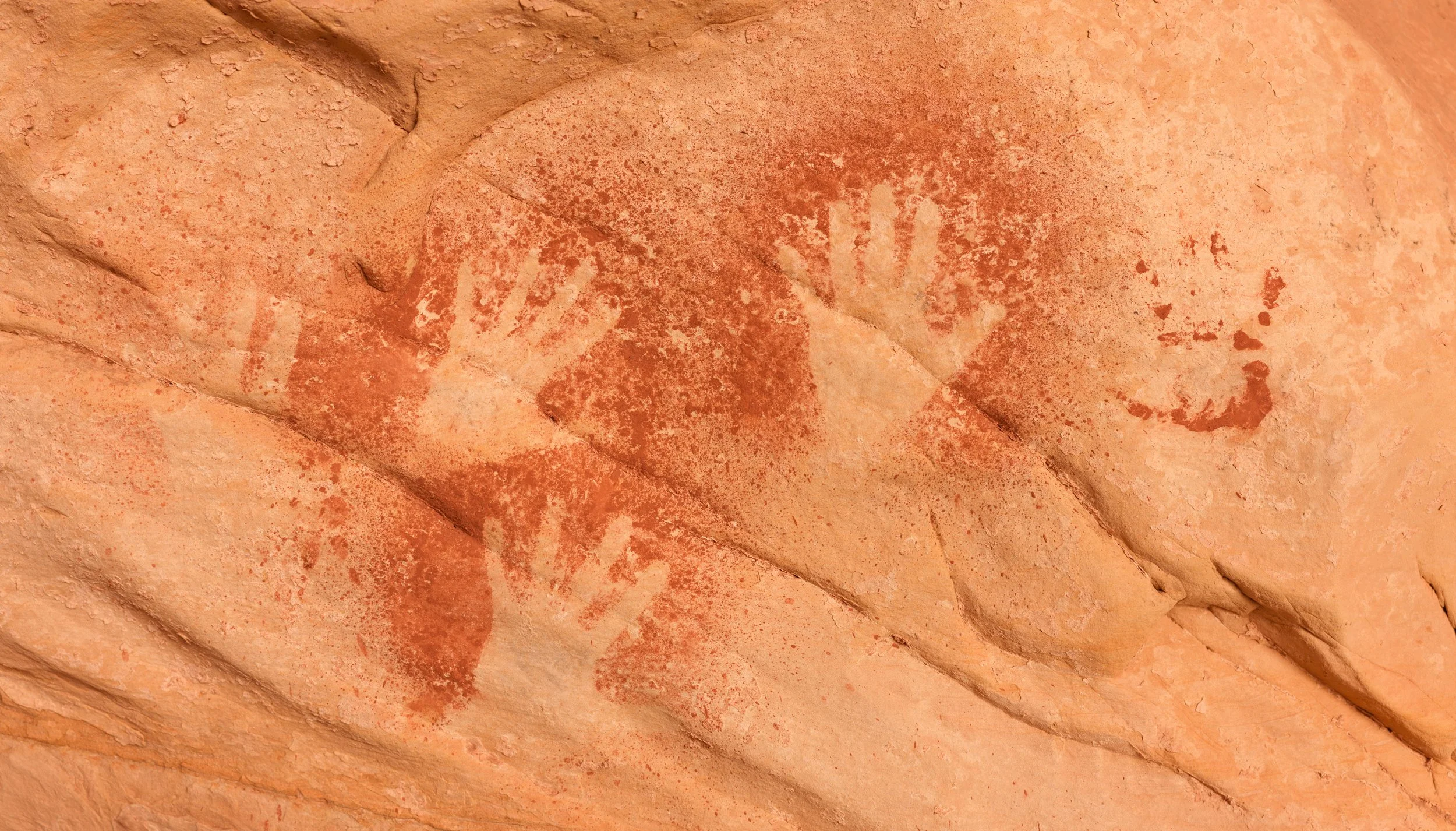
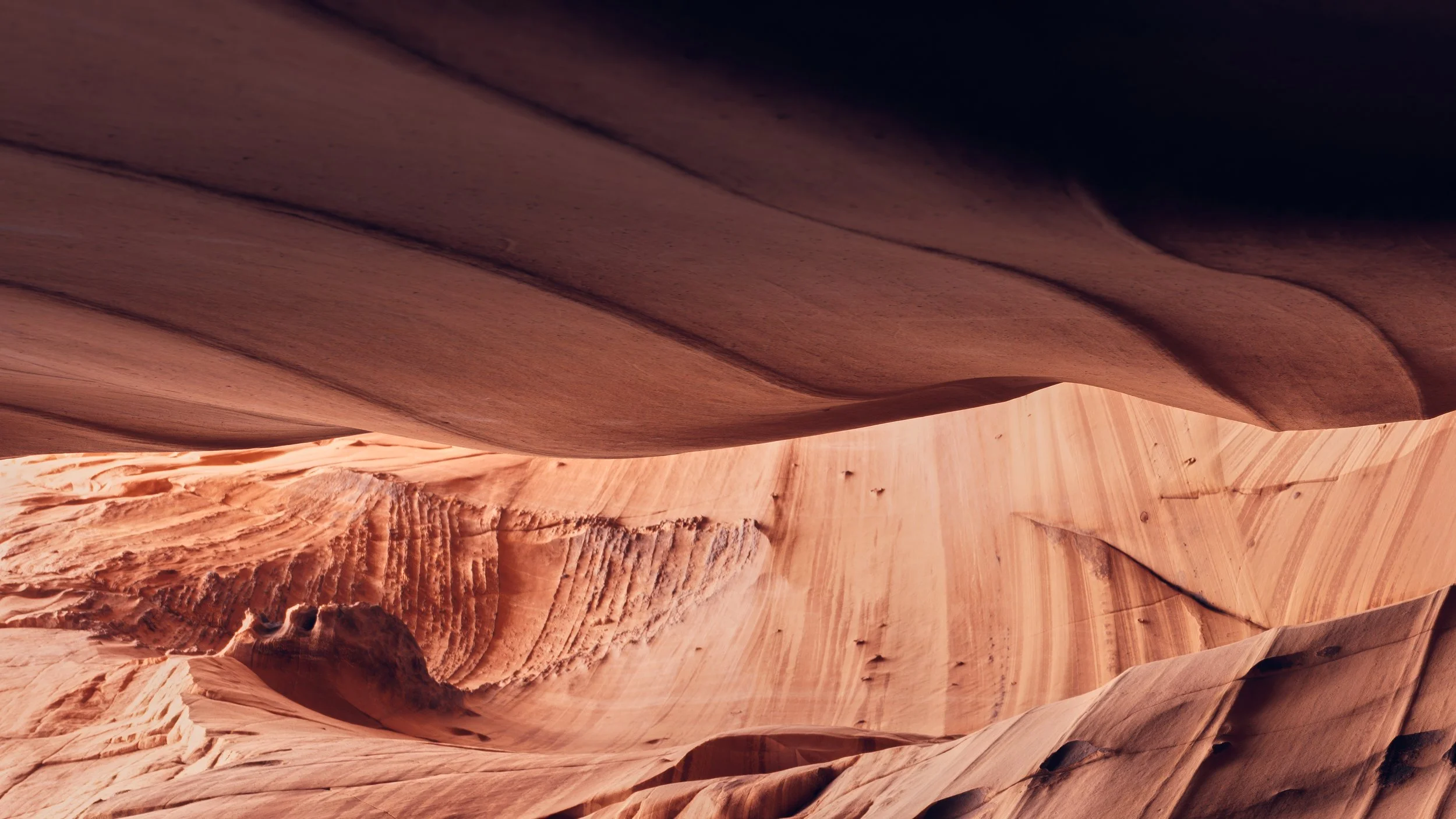
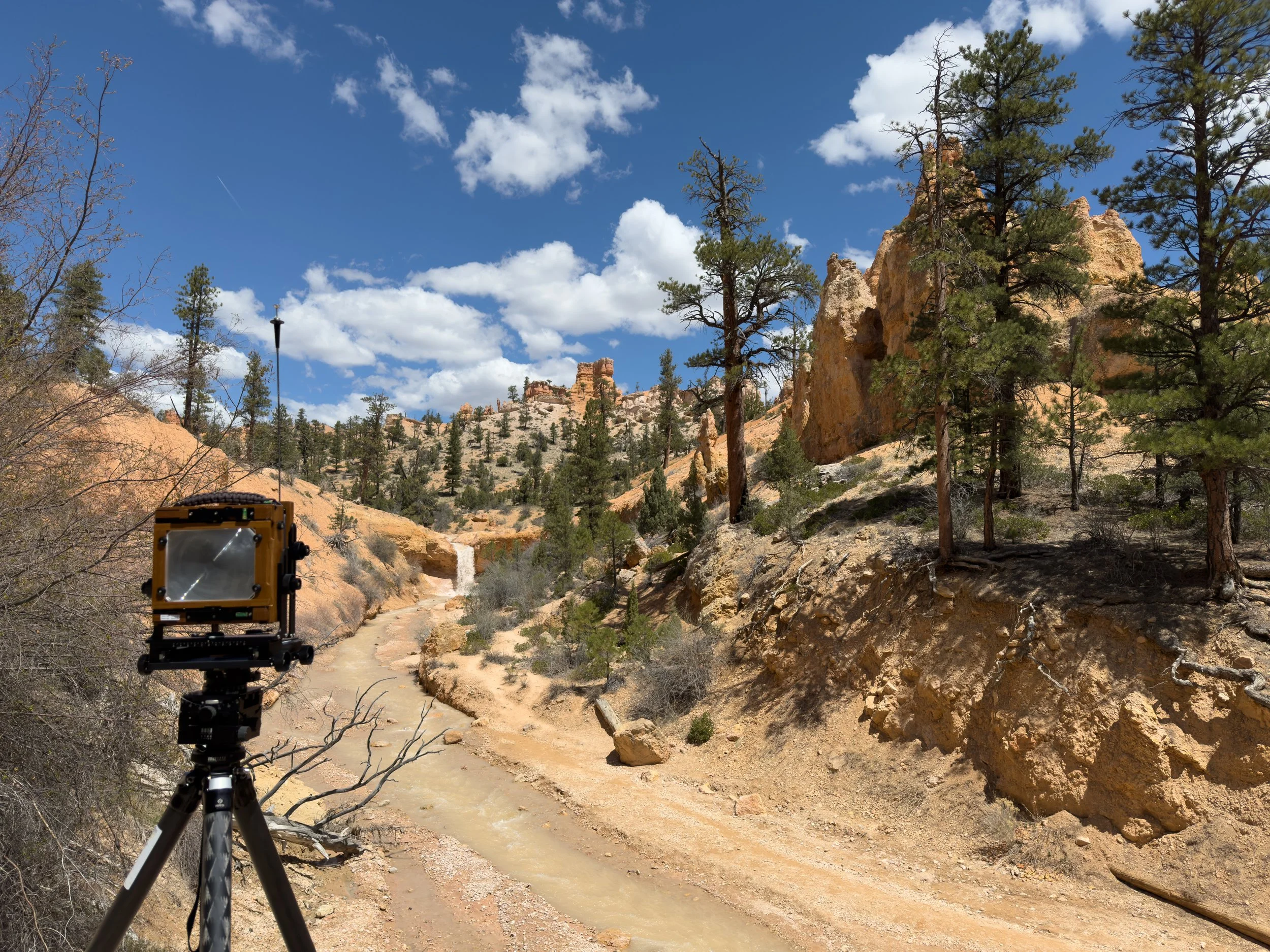
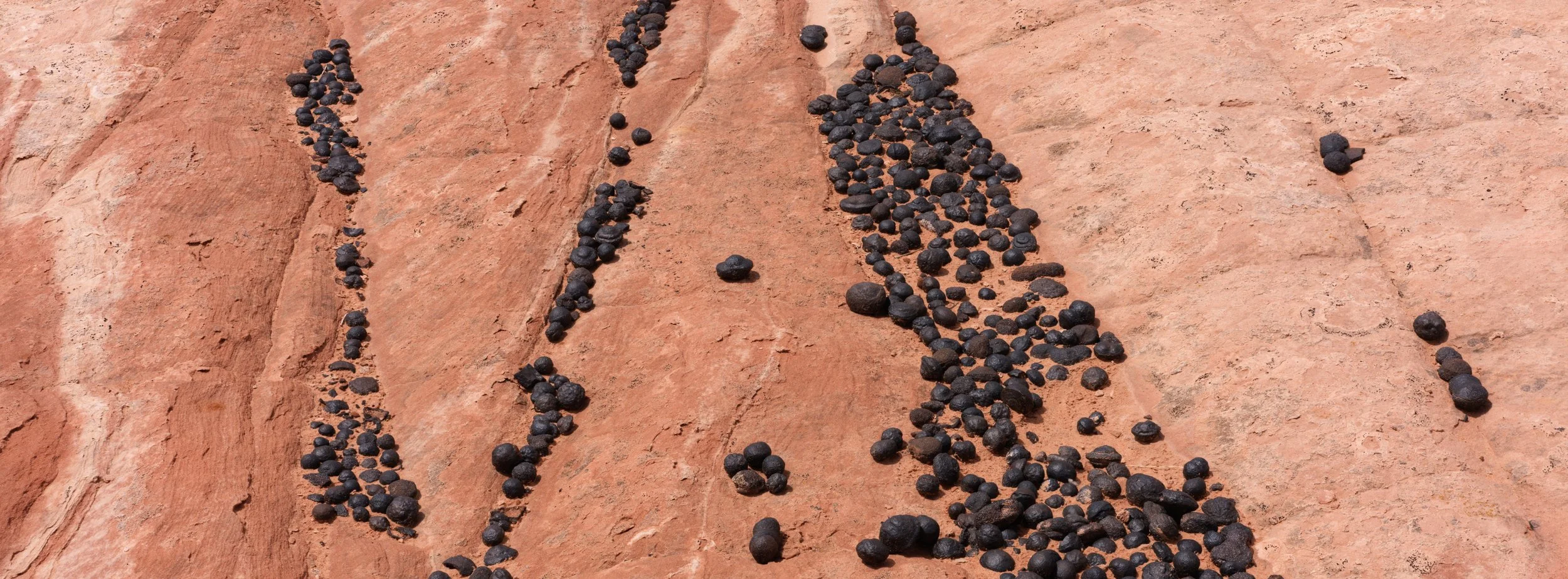
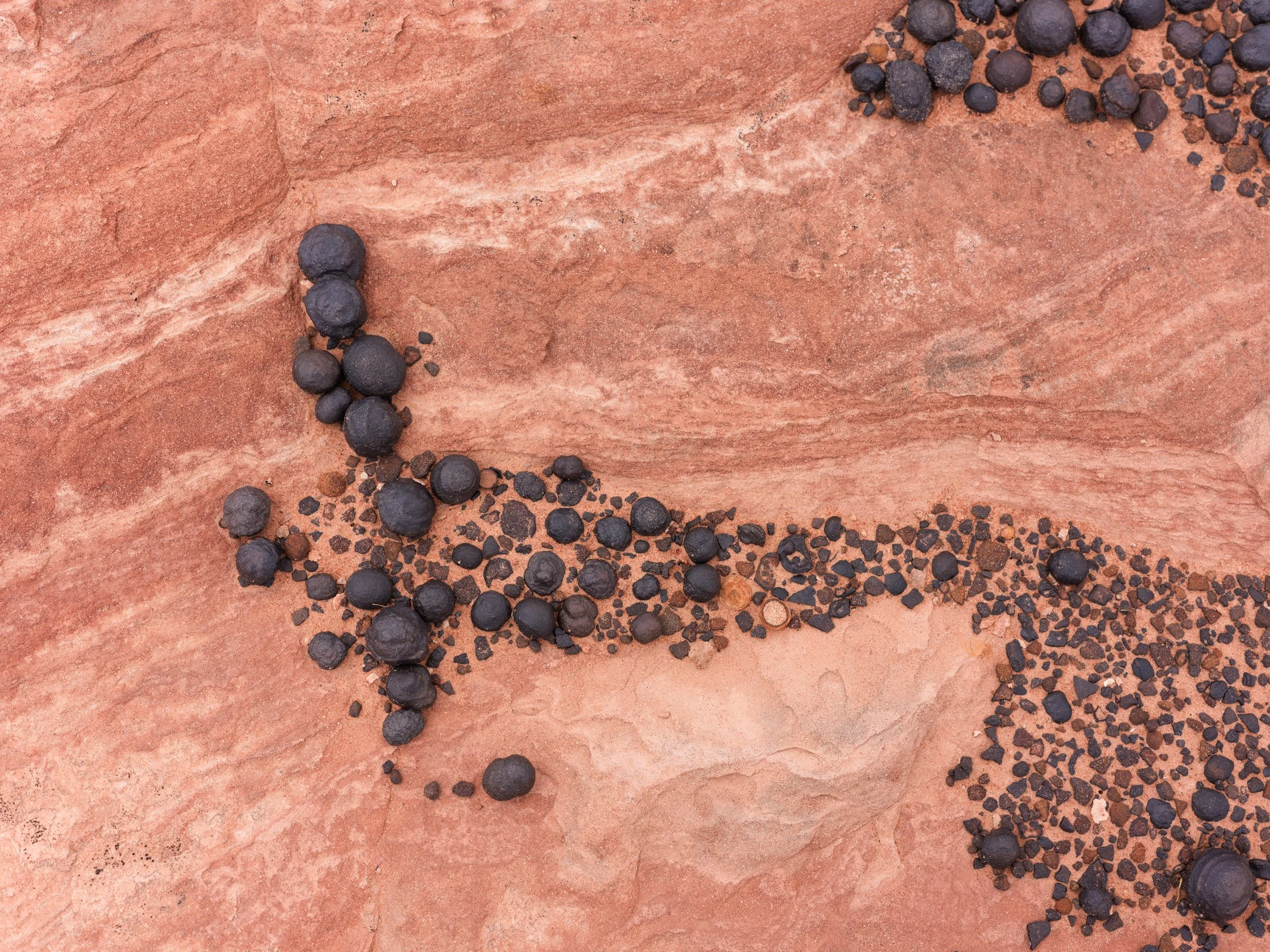
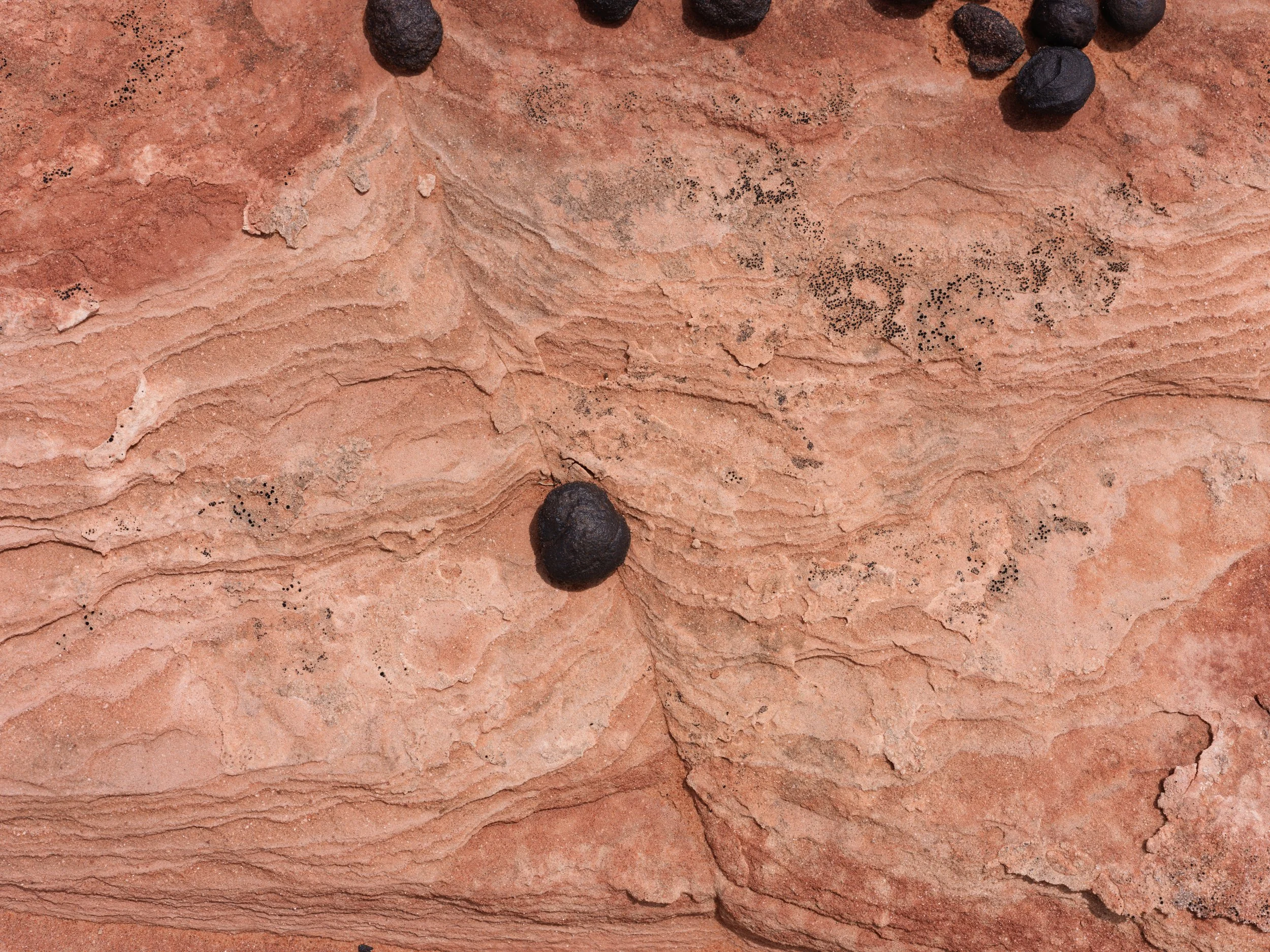
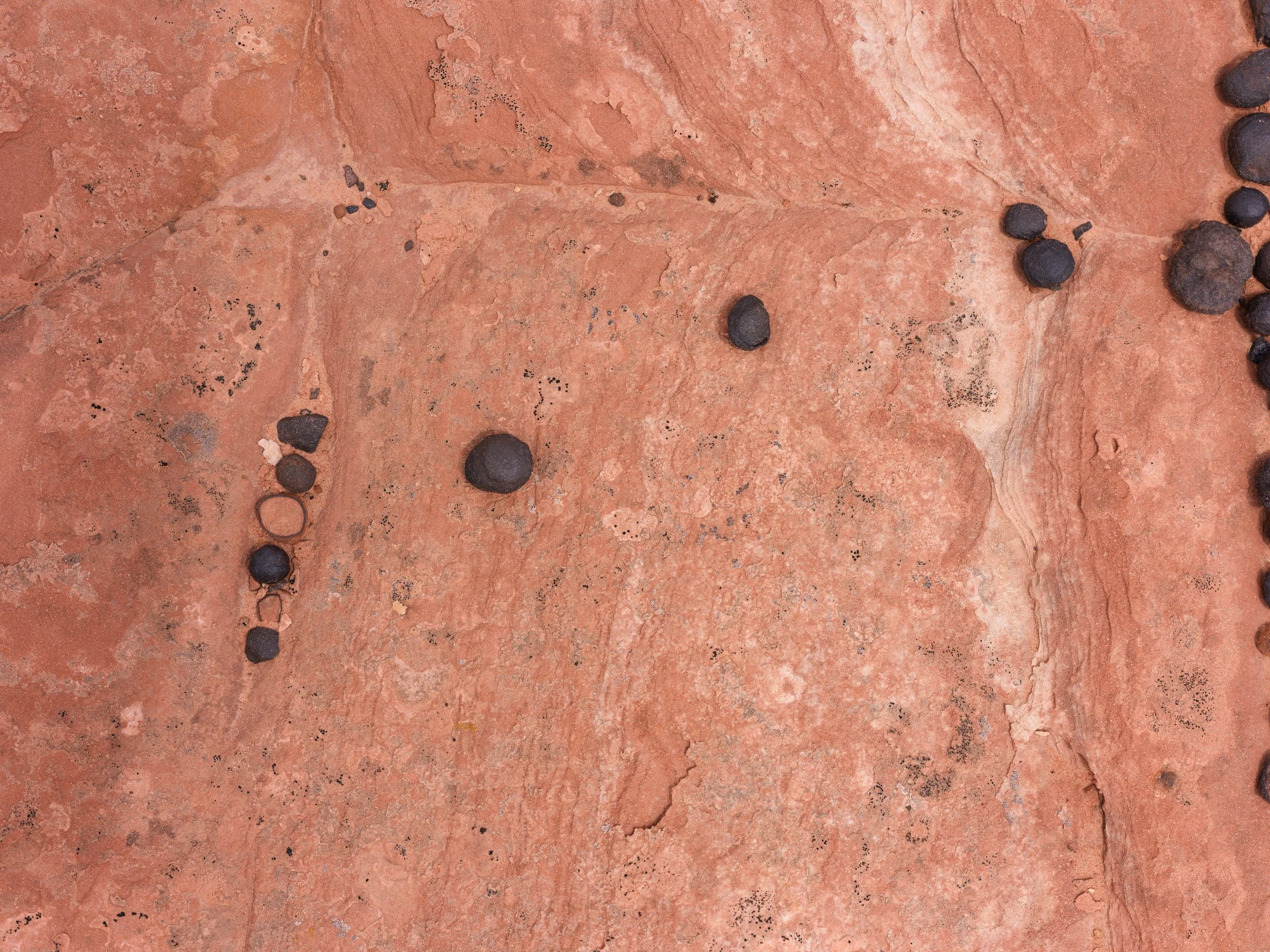
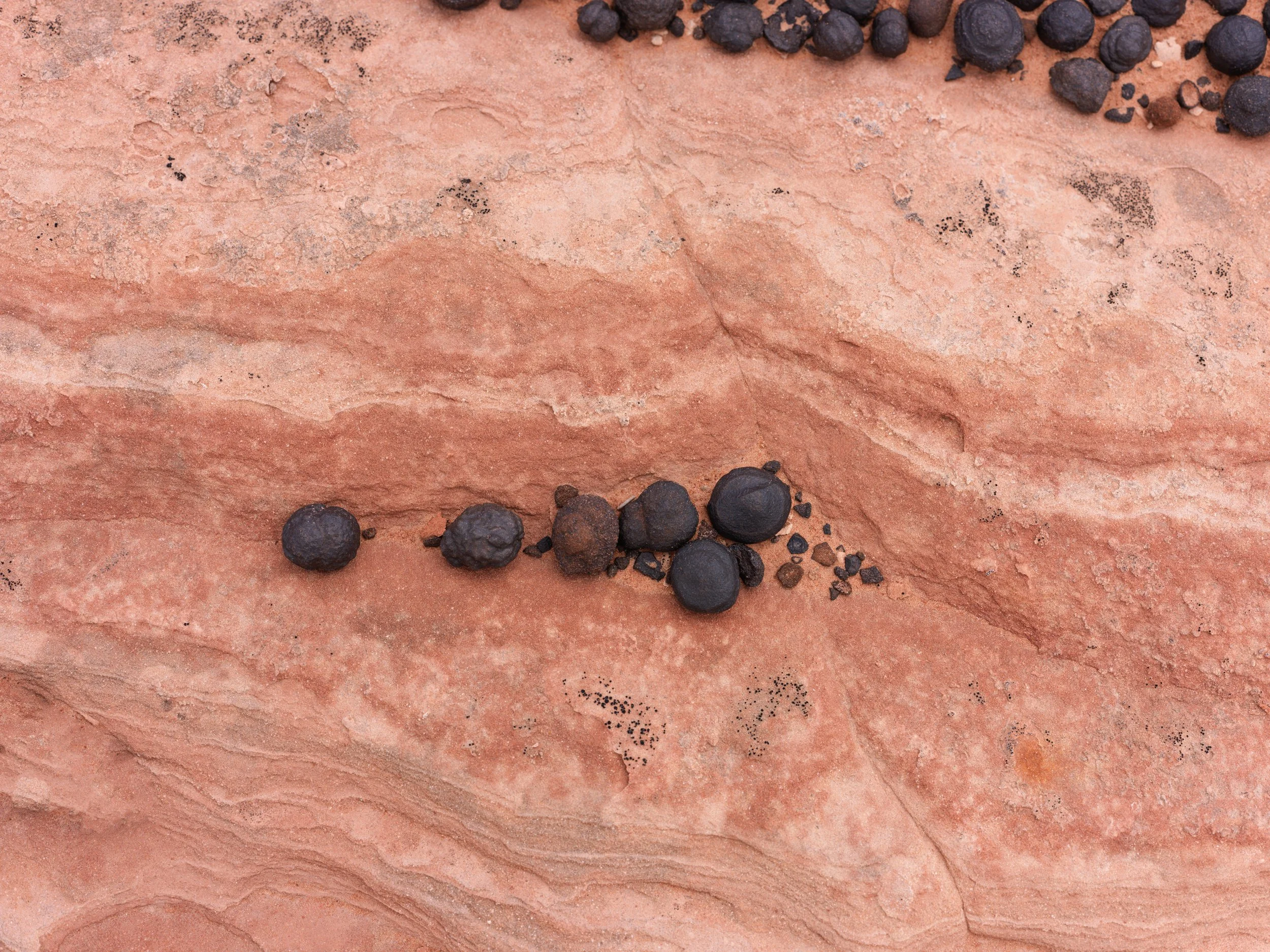
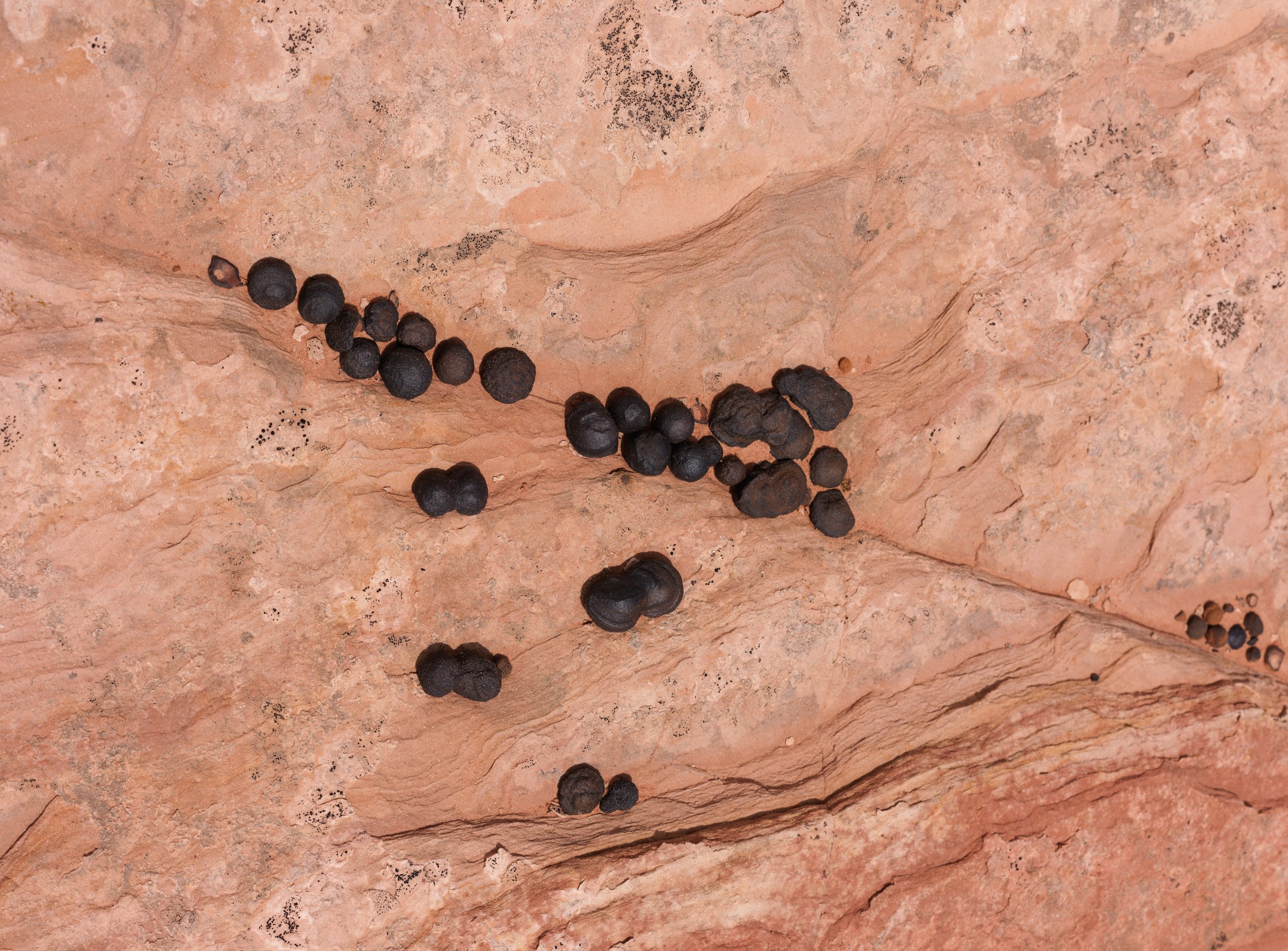
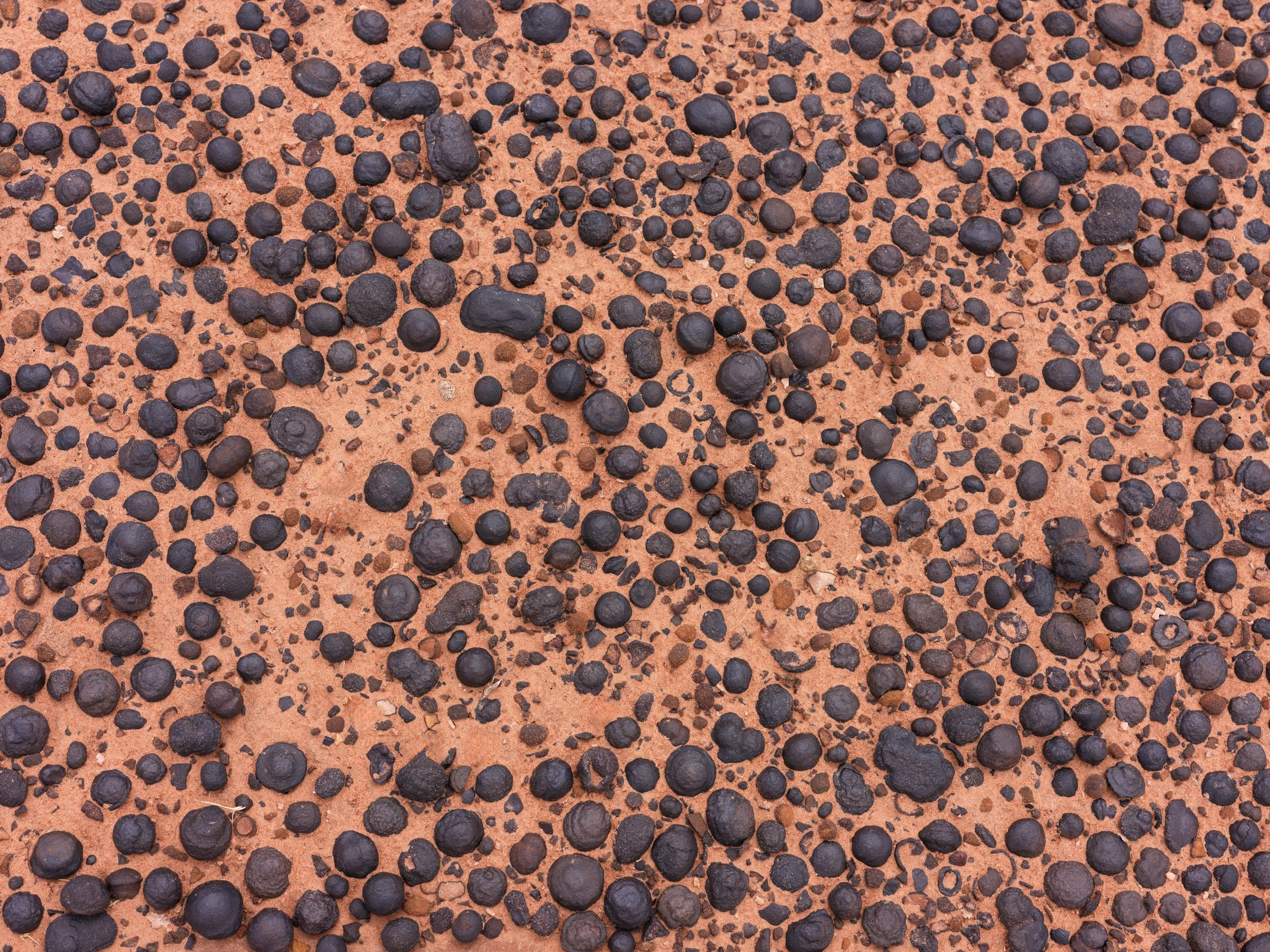
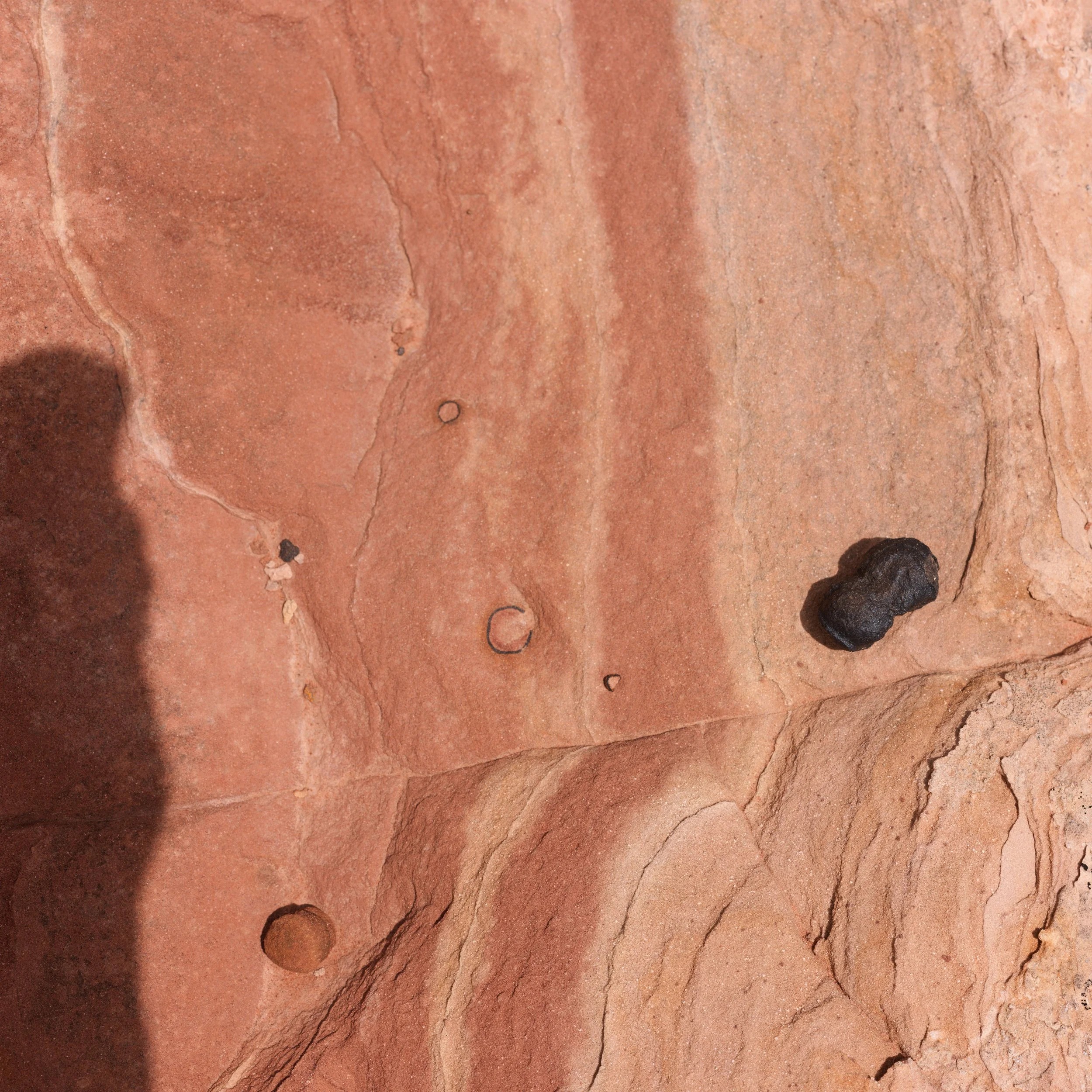
The photos in this blog post are neither from West Seattle, Mexico or the Olympic Peninsula. None of these photos were taken underwater, and no octopi were hurt in the making of this blog post.
Rather, these photos are from the desert in south-eastern Utah.
Most of photos are of Moqui marbles (iron oxide concretions found in the desert south-east of Escalante, UT). They are hermatite-coated spherical concretions, avocado-sized, formed when iron minerals precipitated out of ancient groundwater and cemented sandstone grains together. The softer surrounding sandstone eroded away, leaving the harder spheres scattered across the desert floor, sometimes by the thousands.
They are literally a world hidden in plain sight. Most people walk past them or kick them aside. But the slow mineral migration through rock over millions of years is an entire hidden order that the landscape doesn't announce. Classic adjacent world territory.
The Hopi (ancestral pueblo people of NE Arizona, descended from Ancestral Puebloans) held that the spirits of deceased ancestors would play with the marbles at night and leave them on the surface as signs to the living that they were at peace. Finding a cluster of them was reassuring, a form of communication from the dead. The name "Moqui" comes from an old Spanish/Anglo term for the Hopi and is considered somewhat pejorative by the Hopi themselves.
The whole Colorado Plateau, including the Escalante canyon country, was Hopi ancestral territory, full of migration history and spiritual meaning. Physical features throughout the region carry cultural memory. The marbles fit that storied landscape.
NASA's rovers found similar formations on Mars ("blueberries"), taken as evidence that liquid water once moved through Martian rock. The same process, different planet.